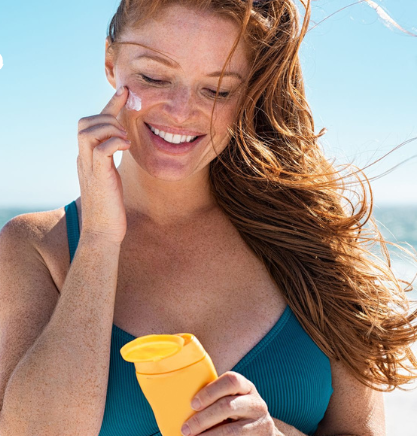
If you have acne-prone skin, sunscreen can feel like a gamble.
Some formulas clog pores, feel heavy, or trigger breakouts — especially thicker mineral creams.
The right mineral sunscreen, however, can protect your skin without worsening acne. This guide explains what to look for, what to avoid, and how to choose a formula that won’t interfere with breakout-prone skin.
Oil-Free & Non-Comedogenic Mineral Sunscreens (2026 Picks)
But skipping SPF isn’t an option. UV exposure can deepen post-acne dark spots and prolong inflammation — making breakouts harder to fade.
The good news? Modern mineral sunscreens formulated with zinc oxide are lighter, non-comedogenic, and often better tolerated by acne-prone and oily skin types.
In this guide, we break down the best mineral sunscreens for acne-prone skin in 2026 — including lightweight, oil-free, and budget-friendly options.
For broader mineral sunscreen picks across skin types, see our
👉 Best Mineral Sunscreen for Face (2026 Guide & Comparison)
Why Sunscreen Matters for Acne-Prone Skin
Acne-prone skin is often inflamed and more reactive to environmental stressors, including ultraviolet (UV) radiation.
UV exposure can worsen post-acne dark spots (post-inflammatory hyperpigmentation), increase redness, and slow healing of active breakouts. Even short periods of sun exposure can deepen discoloration and prolong inflammation.
That’s why daily SPF isn’t optional for acne-prone skin — it’s part of managing breakouts and preventing long-term skin damage.
Mineral sunscreens formulated with zinc oxide are often preferred because they sit on the surface of the skin and are less likely to clog pores compared to heavier or oil-rich chemical formulas.
If you're concerned about pore-clogging, see:
👉 Does Mineral Sunscreen Clog Pores?
Why Mineral Sunscreen Is Better for Acne-Prone Skin (Backed by Dermatologists)
Mineral sunscreen uses zinc oxide and/or titanium dioxide as active ingredients. These sit on the surface of the skin rather than absorbing into it — which can be beneficial for acne-prone and sensitive skin types.
Many people with acne find that certain chemical UV filters feel irritating or increase redness. Zinc oxide, in particular, is known for its mild soothing and anti-inflammatory properties, making it a common ingredient in products designed for breakout-prone skin. Unlike some chemical filters, zinc oxide is non-comedogenic by nature and does not oxidize on the skin in the same way certain organic filters can.
Because mineral formulas are often fragrance-free and less likely to sting, they tend to be better tolerated when the skin barrier is compromised or inflamed.
Mineral formulas are often:
- Non-comedogenic (less likely to clog pores)
- Oil-free or lightweight
- Fragrance-free
- Calming for redness-prone skin
- Suitable for sensitive or reactive skin types
Dermatologists often recommend zinc-based mineral sunscreens for acne-prone skin because they provide broad-spectrum protection without adding common irritants.
For a deeper explanation of how mineral sunscreen works, see our
👉 Best Mineral Sunscreen for Face Protection
What to Look for in a Mineral Sunscreen for Acne-Prone Skin
When choosing a mineral sunscreen for acne-prone skin, look for:
• Non-comedogenic formulas that won’t clog pores
• Lightweight or fluid textures that won’t feel heavy
• Oil-free or low-oil bases to reduce excess shine
• Zinc oxide as the primary active ingredient
• Fragrance-free formulas to minimize irritation
Avoid thick occlusive creams, heavy oils, and strongly fragranced products if your skin is breakout-prone.
If you’re unsure which type is better, see our full Mineral vs Chemical Sunscreen comparison guide — but here’s the quick breakdown for acne-prone skin.
Mineral sunscreens use zinc oxide and/or titanium dioxide to create a physical barrier that reflects and scatters UV radiation. They sit on the skin’s surface and are often better tolerated by sensitive or inflamed skin types.
Chemical sunscreens absorb UV radiation and convert it into heat. Some chemical filters may feel lighter on the skin, but certain formulas can irritate highly reactive or acne-prone skin — especially if they contain fragrance or alcohol.
For many people with oily or breakout-prone skin, lightweight mineral formulas strike the best balance between protection and tolerability.
Below is a side-by-side comparison of mineral sunscreens that balance acne safety, texture, and daily wearability.
Oily Skin vs. Acne-Prone Skin: What’s the Difference?
Oily skin produces excess sebum but does not always result in breakouts.
Acne-prone skin, however, involves clogged pores, inflammation, and sensitivity to certain ingredients.
Not all oily skin is acne-prone — and not all acne-prone skin is oily. Choosing sunscreen based on breakout tendency, not just shine control, leads to better long-term results.
Best Mineral Sunscreens for Acne-Prone Skin (2026 Comparison)
| Product | SPF | Texture | Finish | Best For | Why It Stands Out | Price Tier |
|---|---|---|---|---|---|---|
| EltaMD UV Clear | SPF 46 | Lightweight lotion | Natural / Semi-matte | Acne + redness-prone skin | Contains niacinamide to calm inflammation while remaining non-comedogenic. | Mid–High |
| La Roche-Posay Anthelios Mineral | SPF 50 | Fluid / Thin | Matte | Oily, shine-prone acne skin | High SPF with lightweight feel that reduces excess shine. | High |
| CeraVe Hydrating Mineral | SPF 30 | Creamy lotion | Slightly dewy | Dry or budget acne-prone skin | Affordable formula with ceramides to support the skin barrier. | Budget |
Not sure which mineral sunscreen is best for your acne-prone skin? Scroll down for a detailed breakdown of each formula, including texture, ingredients, and who it’s ideal for.
Below are the top mineral sunscreens for acne-prone skin in 2026, selected for tolerability, texture, and real-world daily wear.
How to Choose a Mineral Sunscreen for Acne-Prone Skin
What to Look For
- Zinc oxide as the primary active ingredient (gentler for inflamed skin)
- Non-comedogenic formulas
- Oil-free or lightweight textures for oily skin types
- Fragrance-free formulas to reduce irritation risk
What to Avoid
- Heavy occlusive creams if you’re very oily
- Strong fragrance
- Alcohol-heavy formulas that can disrupt the skin barrier
⭐ Best Overall: EltaMD UV Clear SPF 46
Why We Like It
- Lightweight, non-greasy texture
- Contains niacinamide (helps calm redness)
- Non-comedogenic
- Frequently recommended for acne-prone and redness-prone skin
This formula is widely chosen for breakout-prone skin because it balances calming ingredients with a lightweight finish. It layers well under makeup and rarely feels heavy.
Best for: Acne-prone skin with redness or sensitivity.
Lightweight and calming — especially helpful if breakouts come with redness.
👉 Check Price & Reviews on Amazon
🧴 Best Lightweight Mineral for Oily Acne Skin:
La Roche-Posay Anthelios Mineral SPF 50
Why We Like It
- Fluid consistency (less thick than traditional mineral creams)
- High SPF 50 protection
- Good for oily or combination skin
- Established clinical skincare brand reputation
If you struggle with shine or heavy textures, this option feels lighter than many classic mineral creams.
Best for: Oily, shine-prone acne skin needing higher SPF.
A fluid mineral formula that feels lighter than most traditional zinc sunscreens.
👉 Check Price & Reviews on Amazon
💰 Best Budget Option: CeraVe Hydrating Mineral SPF 30
Why We Like It
- Affordable
- Includes ceramides to support the skin barrier
- Fragrance-free
- Widely available
It works best for acne-prone skin that leans dry rather than very oily.
Best for: Dry or combination acne-prone skin on a budget.
A thicker but dependable everyday mineral SPF with barrier-supporting ceramides.
👉 Check Price & Reviews on Amazon
Ingredients Acne-Prone Skin Should Avoid in Sunscreen
Some sunscreen ingredients may worsen breakouts or trigger irritation in acne-prone skin. While tolerance varies, the following are more likely to cause congestion or sensitivity in reactive skin types:
- Oxybenzone (can irritate some users)
- Octinoxate
- Heavy occlusive oils (in thick cream bases)
- Added fragrance
- Alcohol-heavy formulas
For acne-prone skin, choosing a non-comedogenic mineral sunscreen with zinc oxide as the primary active ingredient can help reduce the risk of clogged pores and irritation.
Reapplication Tips for Acne-Prone Skin
Reapplying sunscreen doesn’t have to mean layering thick cream throughout the day.
Powder mineral sunscreens can help reduce shine during mid-day touch-ups, but they should not replace a full morning sunscreen application.
Explore our
👉 Best Powder Sunscreens on Amazon
What Does Non-Comedogenic Mean in Mineral Sunscreen?
Non-comedogenic means a product is formulated to reduce the likelihood of clogging pores. While no sunscreen can guarantee zero breakouts, lightweight mineral formulas that avoid heavy occlusive oils and pore-blocking ingredients are generally better suited for acne-prone skin. Look for zinc oxide–based formulas labeled oil-free or non-comedogenic when possible.
Frequently Asked Questions
Can mineral sunscreen cause breakouts?
Yes, it can — if the formula is too thick or contains pore-clogging ingredients. Acne-prone skin does best with lightweight, non-comedogenic mineral sunscreens that use zinc oxide and avoid heavy oils.
Is zinc oxide good for acne?
Yes. Zinc oxide has mild anti-inflammatory properties and is generally well tolerated by acne-prone skin. It sits on the surface of the skin rather than absorbing into pores, which may reduce irritation.
Should acne-prone skin skip sunscreen?
No. Daily sunscreen helps prevent post-acne dark spots, redness, and long-term skin damage. The key is choosing a lightweight mineral sunscreen that won’t clog pores.
Is mineral sunscreen better than chemical sunscreen for acne?
For many people with acne-prone or sensitive skin, mineral sunscreen is better tolerated because zinc oxide sits on the skin’s surface rather than absorbing into it. However, the best sunscreen is one that your skin tolerates and that you will use consistently.
If you’re also dealing with redness or highly reactive skin, explore our detailed guide to the best mineral sunscreen for sensitive & extremely sensitive skin for additional low-irritation options.
Final Thoughts
Acne-prone skin doesn’t mean skipping sunscreen — it means choosing smarter formulas.
Lightweight, zinc oxide–based mineral sunscreens labeled non-comedogenic are typically the safest starting point for breakout-prone skin. Avoid heavy creams, added fragrance, and alcohol-heavy formulas that may disrupt your skin barrier.
Consistency matters more than perfection. The best sunscreen for acne-prone skin is one that protects your skin daily without triggering irritation or clogged pores.
For broader updated mineral sunscreen picks across skin types, visit our
👉 Best Mineral Sunscreen for Face (2026 Guide & Comparison)