
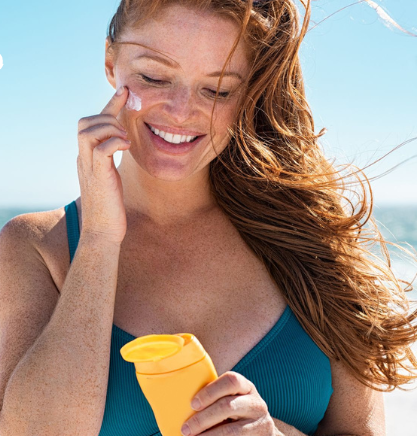
Mineral sunscreen is one of the most dependable options for daily facial sun protection — especially for sensitive, reactive, acne-prone skin or oily skin.
If breakouts are your primary concern, read our guide to 👉 Best Mineral Sunscreen for Acne-Prone Skin.
If you have highly reactive skin, explore our guide to 👉 Best Mineral Sunscreen for Sensitive & Extremely Sensitive Skin (2026 Guide)
Unlike chemical sunscreens, mineral formulas use zinc oxide and titanium dioxide to create a physical barrier that helps block ultraviolet (UV) radiation before it penetrates the skin.
If you're looking for specific product recommendations, start here:
👉 Best Mineral Sunscreen for Face (2026 Guide & Comparison)
This guide focuses on helping you understand how mineral sunscreen works, who should use it, and what to look for when choosing a formula for daily facial protection.
How Mineral Sunscreen Works
Mineral sunscreens rely on active ingredients such as:
- Zinc oxide
- Titanium dioxide
These ingredients sit on the surface of the skin and help reflect and scatter UV rays.
Key characteristics of mineral sunscreen:
- Broad-spectrum UVA and UVB protection
- Immediate effectiveness after application
- Generally well tolerated by sensitive skin
- Suitable for daily facial use
Because mineral sunscreen forms a protective layer on the skin, many people prefer it for consistent everyday protection.
Mineral vs Chemical Sunscreen
Understanding the difference can help you decide which type is best for your skin.
| Feature | Mineral Sunscreen | Chemical Sunscreen |
|---|---|---|
| Protection Method | Physical barrier | Absorbs UV rays |
| Sensitive Skin | Often better tolerated | May irritate some |
| Activation Time | Works immediately | Requires ~15–20 minutes |
| White Cast | Possible | Rare |
Both types can be effective when applied properly. The best choice depends on your skin type, comfort, and daily routine.
For a deeper breakdown of the differences, see our mineral vs chemical sunscreen comparison guide.
Who Should Use Mineral Sunscreen?
Mineral sunscreen may be especially beneficial if you:
- Have sensitive or reactive skin
- Experience stinging around the eyes
- Have acne-prone skin
- Prefer zinc-based formulations
- Want immediate UV protection
If you have extremely reactive skin, rosacea-prone skin, or experience frequent irritation from skincare products, you may benefit from choosing a formula specifically designed for highly sensitive skin. Our detailed guide to the best mineral sunscreen for sensitive and extremely sensitive skin explains what to look for in ultra-gentle formulations.
If you have oily skin specifically, you may benefit from reading our guide on mineral sunscreen for oily skin.
If you’re building a complete skincare routine, you may also find our
👉 Best Niacinamide Moisturizer guide is helpful for barrier support
and our
👉 Best Non-Toxic Face Wash guide is useful for gentle cleansing options.
Common Concerns About Mineral Sunscreen
Does It Leave a White Cast?
Traditional mineral sunscreens can leave a visible residue, especially on deeper skin tones. However, many modern formulas include tinted versions or improved micronized particles to reduce this effect.
Is It Drying?
Some mineral formulas may feel slightly drier than chemical sunscreens. Look for products that include hydrating ingredients if dryness is a concern.
Is Zinc Oxide Enough for Protection?
Yes. Properly formulated zinc oxide can provide broad-spectrum protection against both UVA and UVB rays when applied generously.
How to Apply Mineral Sunscreen Properly
Application matters just as much as product choice.
- Apply a generous amount (approximately a nickel-sized portion for the face).
- Use as the final step in your morning skincare routine.
- Reapply every two hours when outdoors.
- Do not rely solely on powder sunscreen for your initial application.
If you prefer powder formats for reapplication during the day, see our
👉 Best Powder Sunscreens on Amazon guide.
Looking for Specific Product Recommendations?
Because sunscreen formulas and availability change over time, we keep our product recommendations in a regularly updated guide.
For current mineral sunscreen options available online, visit:
👉 Best Mineral Sunscreen for Face (2026 Guide & Comparison)
That guide includes comparison tables, skin-type recommendations, and up-to-date selections.
Choosing the right mineral sunscreen starts with understanding your skin type and daily routine — not just SPF numbers.
Frequently Asked Questions
Is mineral sunscreen safe for daily use?
Yes. Most mineral formulas are designed for regular facial use and are well tolerated by many skin types.
Can I wear mineral sunscreen under makeup?
Yes. Many lightweight and tinted mineral sunscreens layer well under foundation.
Do mineral sunscreens clog pores?
Many mineral formulas are labeled non-comedogenic and suitable for acne-prone skin. For a full breakdown, see: 👉 Does Mineral Sunscreen Clog Pores?
Is mineral sunscreen better for sensitive skin?
Mineral sunscreens are often preferred for sensitive skin due to their ingredient profile and lower irritation risk.
For a full breakdown of formulation differences and irritation risk, see our 👉 Mineral vs Chemical Sunscreen for Face
Final Thoughts
Mineral sunscreen remains a reliable choice for daily facial sun protection — particularly for sensitive and reactive skin types.
For readers looking for specific product recommendations updated for 2026, explore our complete mineral sunscreen for face guide.
Daily sun protection works best when it’s consistent — and comfortable enough to use every day.